Many problems owners face later — leash pulling, fears, aggression, overexcitement around people or other dogs, disobedience outside — often start not in adulthood, but during puppyhood.
That's why the first steps have to be the right ones.
1. Health First: Vaccines and Vet Clearance
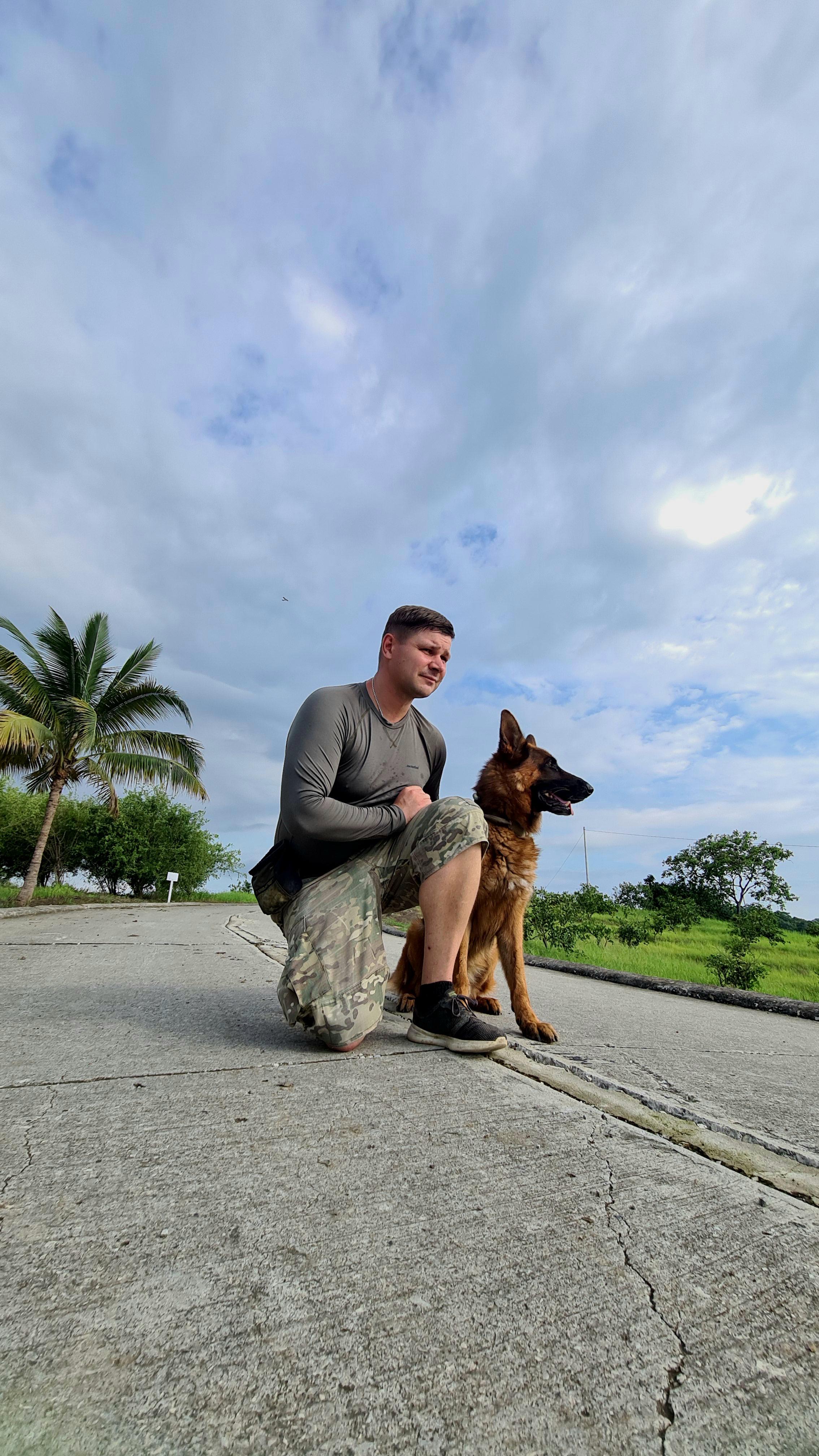
Before actively taking your puppy outside, introducing them to other dogs, or having a trainer come to your home, it's important to make sure your puppy has the necessary vaccinations and has been seen by a veterinarian.
Puppies are especially vulnerable to infections. Even if an adult dog looks healthy and vaccinated, they can still carry viruses and bacteria on their coat, paws, or objects from the outside world.
This also applies to people who work with dogs daily. A trainer, dog handler, groomer, dog sitter, or any professional who works with different animals every day should exercise caution. That doesn't mean everyone is dangerous. It means that a professional approach starts with hygiene, common sense, and respect for the puppy's age.
The best move is to consult your vet first. Your vet will tell you when your puppy can go outside, attend classes, interact with other dogs, and begin full socialization.
A modern approach doesn't mean full isolation. On the contrary, safe socialization is very important. But it needs to be done thoughtfully — no contact with sick animals, no dirty public places, and always in line with your puppy's vaccination schedule.
2. Don't Wait for the Problem to Get Big
Many owners think: "He's still young — he'll grow out of it and calm down."
That's a mistake.
Puppies don't outgrow bad habits on their own. Most of the time they reinforce them. If a puppy pulls on the leash, jumps on people, bites hands, barks from fear, lunges at dogs, or doesn't listen outside — that's not cute behavior. That's the beginning of a future problem.
The earlier you start gentle, correct guidance, the easier it is to develop a calm, manageable, and confident dog.
Professional puppy training helps your dog understand:
- how to walk calmly on a leash
- how to react to people
- how not to lunge at every dog
- how to control their excitement
- how to listen to their owner in different environments
- how not to fear new sounds, objects, and situations
- how to behave properly at home and outside
3. Track Your Puppy's Fears
One of the most important steps is to observe your puppy closely.
Write down what they're afraid of:
- loud sounds
- cars
- children
- men
- other dogs
- vacuum cleaners
- stairs
- slippery floors
- new places
- people wearing hats, hoods, or carrying bags
- bicycles, scooters, and strollers
These aren't small things. This is the map for your future work.
If a fear is ignored, it can grow into avoidance, barking, panic, or aggression. If it's reinforced by the wrong kind of comfort, the puppy may learn that their reaction was correct. If it's suppressed harshly, you risk breaking trust.
The right way to work with fears is gradual exposure, calm support, controlled distance, and building positive experiences.
Good puppy training isn't just about commands. It's about developing the nervous system, building confidence, and teaching the puppy to adapt calmly to the world.
4. Don't Reward Aggression — Even If It Looks Funny
A very common owner mistake is laughing when a small puppy growls, barks, charges, or "guards" a toy.
While the puppy is small, it can seem amusing. But dogs grow. What seems funny at 10 weeks can become a serious problem at 10 months.
Never reward:
- growling at people
- charging at dogs
- guarding a food bowl or toys
- biting hands
- barking at strangers
- attempts to "protect" the owner without cause
- any behavior the owner cannot control
Don't turn your puppy into a "little guard dog" if they don't yet have obedience, stable nerves, and control. Protection without control isn't protection — it's a liability.
The foundation comes first: trust, obedience, calmness, impulse control, and respect for the owner.
5. Don't Let Everyone Tell Your Puppy "Say Hi"
One of the most harmful habits is letting every person on the street pet your puppy.
People often say:
- "Can I say hi?"
- "Let him say hi!"
- "He's so cute!"
- "Let me pet him!"
And the owner agrees.
On the surface, it looks like socialization. In reality, it often creates a future problem.
The puppy quickly learns that every person on the street means attention, affection, and excitement. Then they start pulling toward people, jumping, whining, barking, losing focus on the owner, and ignoring commands.
Your walks turn into a battle.
Proper socialization isn't about being petted by everyone. It's about the puppy learning to calmly observe people, dogs, cars, sounds, and movement — while staying under the owner's control.
Your puppy doesn't have to greet everyone.
Sometimes the best lesson is simply walking past calmly.
6. Teach Your Puppy to Be Neutral
The goal of proper puppy work isn't to make a "robot." The goal is to help the puppy become calm, confident, and manageable.
A good dog isn't one that runs up to every person and dog. A good dog is one that can see a trigger and not lose their head.
A puppy should learn to:
- look at people calmly
- walk past other dogs
- not pull on the leash
- refocus on the owner
- wait
- manage their emotions
- relax in new environments
- not react to every sound
- work for food, play, and praise
This is especially important for life in Sacramento, Carmichael, Roseville, Rocklin, Arden-Arcade, and other areas where dogs encounter cars, people, children, other dogs, stores, and a noisy environment every single day.
7. Start Training as Early as Possible
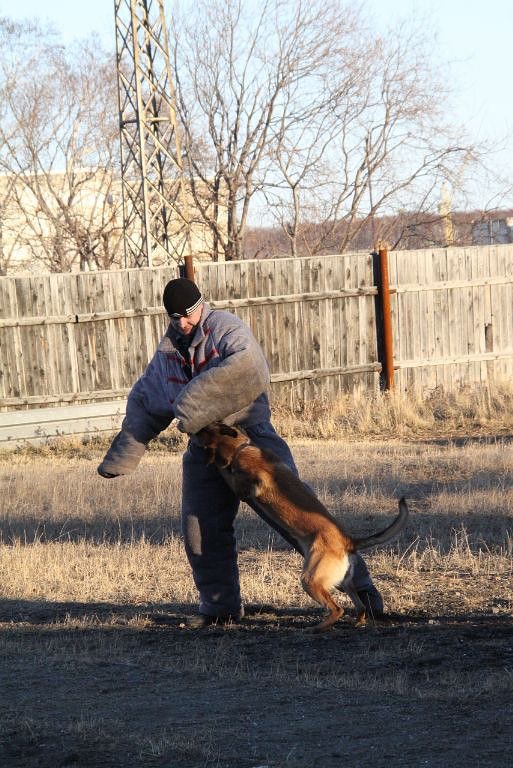
If your vet has cleared safe walks and contact with the outside world — don't wait.
The earlier a puppy begins proper training, the easier it is to shape good behavior.
Puppy training can include:
- basic obedience
- name recognition and focus on the owner
- calm leash walking
- first commands
- crate training
- house manners
- socialization
- bite inhibition
- working through fears
- getting comfortable outside
- calm behavior around people and dogs
- foundation for future obedience training
The key is not to overwhelm the puppy. Training should be short, clear, positive, and consistent.
A puppy doesn't need long, heavy sessions. They need a system.
8. Don't Confuse Socialization With Chaos
Socialization doesn't mean "let the puppy play with every dog."
Socialization is controlled exposure to the world.
A puppy needs to encounter different situations, but not be thrown into stress. They should gain experience, but not lose control. They need to learn to trust their owner — not think that outside means anything goes.
If the puppy is scared — don't force them forward.
If the puppy is overexcited — don't add more chaos.
If the puppy is pulling toward everyone — don't reward it.
Your job isn't just to show your puppy the world. Your job is to teach them how to live in it properly.
9. Why Professional Puppy Work Matters
Many owners reach out to a trainer only after the problem has grown large.
- The dog pulls.
- The dog barks.
- The dog bites.
- The dog is afraid of the street.
- The dog doesn't listen.
- The dog lunges at other dogs.
- The dog jumps on people.
But the smarter move is to start earlier.
A professional puppy trainer doesn't just teach commands — they build the foundation of behavior.
This is especially important if you want your dog to become:
- a calm family dog
- a public access trained dog
- a service dog prospect
- a dog for advanced obedience
- a dog for sport training
- a confident dog free of unnecessary fears
- a manageable dog in the city
- a dog that listens even around distractions
A proper start saves you months of correcting mistakes down the road.
10. The Main Message for Every Puppy Owner
A puppy is not born well-behaved.
They become that way through the right system.
Your first decisions matter:
- who you allow to pet your puppy
- where you take them
- how you respond to their fears
- what you allow at home
- how you behave on walks
- when you start training
- who you choose as a trainer
- how you balance health, safety, and socialization